Branded garments do more than put your logo on a shirt.
They shape how customers see your business, help teams feel connected and make the organisation look more professional. Choosing the garment is only half the job. You also need to decide how the branding will be applied.
Embroidery, direct-to-film transfers and sublimation can all produce excellent results, but each suits different garments, designs and working conditions.
The best option is the one that suits how the garment will actually be worn.
 Embroidery
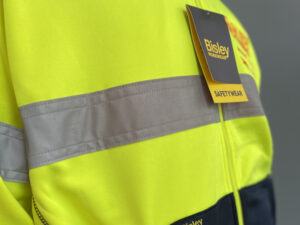
Embroidery stitches the design directly into the garment, creating a durable, professional finish.
It works particularly well for polos, work shirts, jackets, caps and simple logos that need to withstand regular wear and washing.
Fine detail, tiny text and gradients may need to be simplified, and embroidery can feel too heavy on very lightweight fabric.
Choose embroidery for polished, long-term staff uniforms and corporate apparel.
 Direct-to-Film Transfers
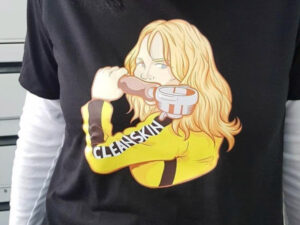
Direct-to-film printing, or DTF, prints artwork onto specialist film before transferring it to the garment with heat.
It is a flexible option for event shirts, promotional apparel, teamwear and smaller runs, particularly when the design includes full colour, fine detail, names, numbers or variable information.
Because each garment can be customised, DTF is especially useful for events, sporting teams and project crews. Larger transfers can feel heavier, so placement and size still matter.
Choose DTF when you need colourful, detailed or personalised branding across a range of garments.
 Sublimation
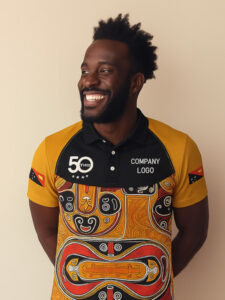
Sublimation uses heat to infuse dye into polyester fabric, so the design becomes part of the garment rather than sitting on top.
It is ideal for sports uniforms, event jerseys, performance wear and full-colour, all-over designs. The result is lightweight, breathable and resistant to cracking or peeling.
Its main limitation is fabric choice, as it works best on white or light-coloured polyester.
Choose sublimation for highly customised performance garments and complex full-colour artwork.
 When Apparel Needs More Meaning
Sometimes the goal is not simply to add a logo.
A garment may need to represent a team, an event, a community or an organisation’s connection to place. In those situations, the design deserves more thought.
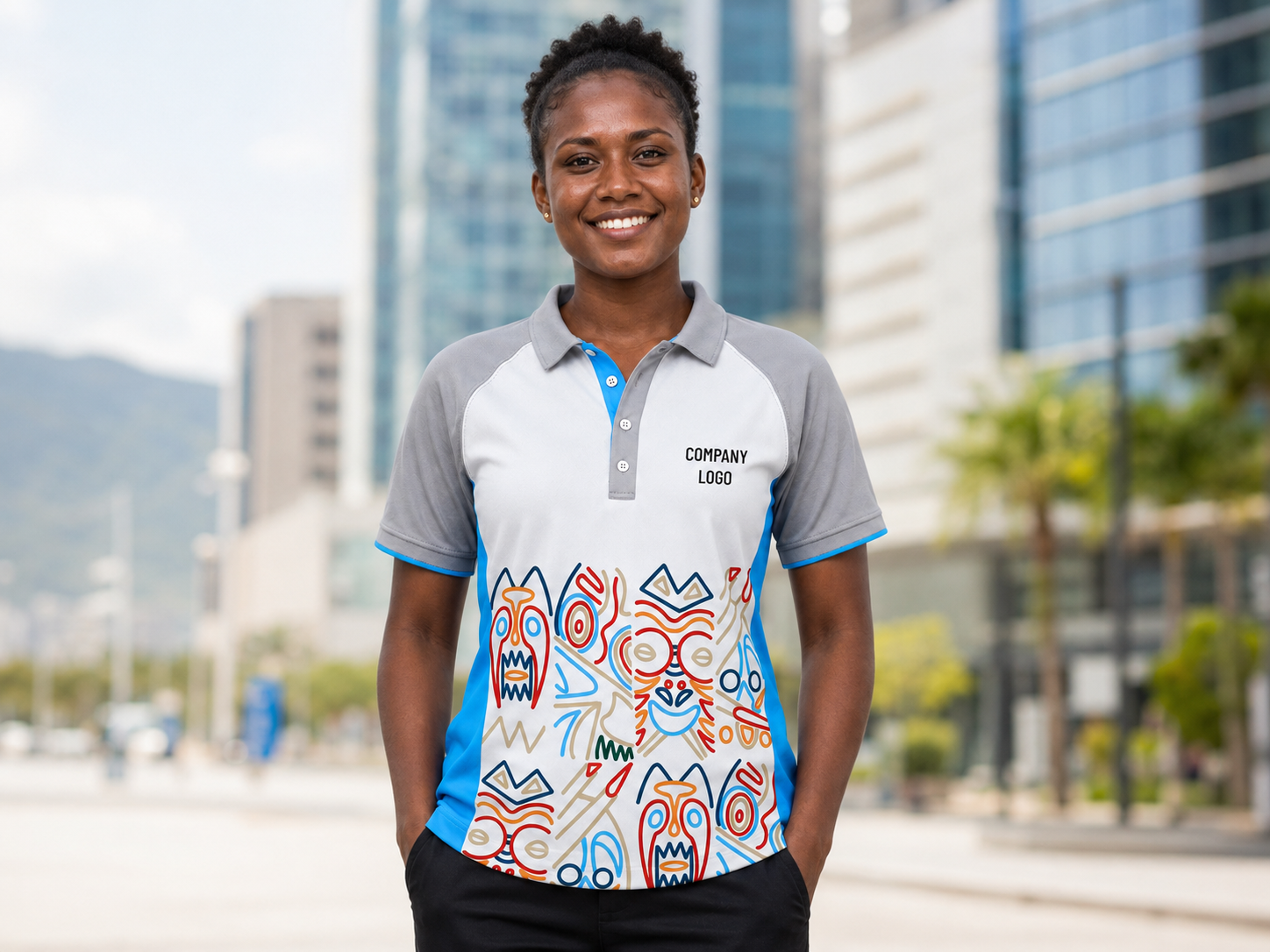
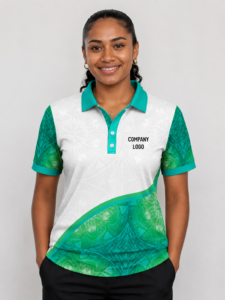
Woven by Brand Hero was created for organisations that want culturally grounded apparel connected to Papua New Guinea. The range combines professional garment production with genuine artistic collaboration, with royalties paid to contributing artists.
That makes it suitable for teams, events and campaigns where cultural meaning is part of the brief rather than something added at the end.
The important distinction is authenticity. Woven works with Papua New Guinean artists to create garments that reflect culture with respect and integrity.
For organisations operating in PNG, that can turn a piece of merchandise into something that builds pride, inclusion and a stronger connection with staff and stakeholders.
Which Method Looks Most Professional?
All three methods can look professional when used properly.
Embroidery creates the most traditional corporate appearance. DTF transfers are ideal for colourful, detailed or personalised designs, while sublimation offers the most freedom for all-over artwork on polyester performance garments.
Problems usually arise when the method does not suit the artwork or garment.
A detailed logo may lose clarity when embroidered too small. A large DTF transfer may feel too heavy on a lightweight shirt. Sublimation may be unnecessary for a simple logo on a standard staff polo.
Professional results come from matching the method to the purpose.
Consider How the Garment Will Be Used
Before choosing a decoration method, think about the working environment.
Will the garment be worn in an office, at an expo, on a construction site or during sport? Does it need to withstand frequent washing? Will staff be working outdoors? Is it part of a long-term uniform or a one-off event?
A corporate polo worn in client meetings may suit embroidery.
An event shirt featuring different staff names or roles may be better suited to DTF transfers.
A lightweight sports jersey with sponsor logos, player names and full-colour artwork will usually suit sublimation.
The same organisation may use all three methods across different parts of its uniform and promotional range.
Do Not Forget the Artwork
The finished result depends heavily on the artwork supplied.
Embroidery files are prepared differently from DTF artwork, while sublimation requires designs that account for the full garment layout.
Colour also needs careful attention. Thread, transfer inks and sublimation dyes reproduce colour differently, and the garment underneath can affect the final appearance.
This is why garments should be considered as part of the wider brand rather than treated as an isolated purchase.
A uniform should still feel connected to the organisation’s signage, vehicles, website and printed material. Brand Hero PNG’s broader approach is built around creating that consistency across every customer and staff touchpoint.
A Quick Guide
Choose embroidery for durable, professional uniforms, polos, jackets and caps.
Choose DTF transfers for event shirts, promotional garments, detailed artwork, names, numbers and variable designs.
Choose sublimation for polyester performance wear, complex graphics and all-over custom designs.
Choose a more considered cultural apparel approach when the garment needs to represent people, place and identity as well as the organisation itself.
There is no single best decoration method for every brand. The right choice depends on the garment, artwork, quantity, working conditions and the impression you want your team to create.
Brand Hero PNG can help bring those decisions together, from garment selection and decoration through to custom cultural apparel, so the finished result looks professional, feels appropriate and represents the organisation with confidence.