
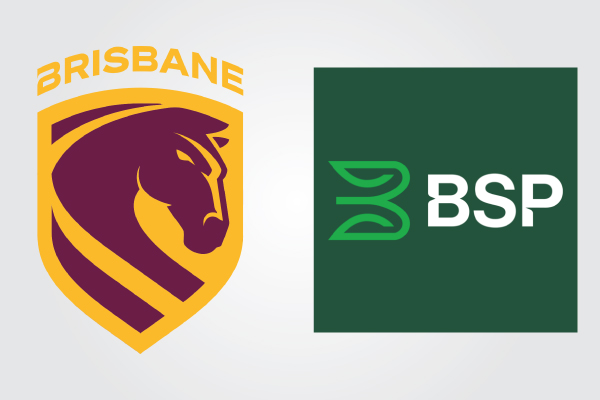
When a well-known logo changes, opinions come quickly and loudly.
The recent Brisbane Broncos and BSP Bank logo refreshes are perfect examples. Some people love it. Others feel disappointed. Many are still trying to work out why the change was needed at all.
From a branding perspective, these moments are fascinating because they remind us of one important truth. Logos are not just graphics. They are emotional.
A logo design carries history, pride, shared experiences and personal memories. It becomes a symbol of identity. When it changes, the reaction is rarely about the artwork itself. It is about what that brand represents in people’s lives.
And this is exactly why rebranding matters.
Logos Hold Meaning, Not Just Colour and Shape
People attach themselves to brands they trust, admire or grow up with. A logo becomes shorthand for moments, relationships and emotions.
Think about sporting teams, long-standing businesses or organisations that have been part of your life for years. Their logos remind you of where you were, who you were with and how it felt at the time.
So when a brand evolves its identity, it can feel unsettling. It can feel like something familiar has shifted.
That emotional response is not a problem. It is proof that the brand means something.
Why Change Is Still Necessary
As emotional as branding is, businesses do not stand still.
Markets change. Audiences evolve. Organisations grow, diversify or mature. What once represented a business perfectly may no longer reflect who they are today or where they are heading.
Even the most iconic brands in the world have evolved their logos many times. Apple, Nike and McDonalds did not arrive at their current identities overnight. They refined, simplified and adapted as their businesses changed.
A logo that stays frozen in time can quietly hold a business back. It can signal outdated thinking, limit growth or fail to connect with new audiences.
Rebranding is not about chasing trends. It is about alignment.
Why Rebranding Feels So Hard
Rebranding asks leaders to make brave decisions.
It requires letting go of something familiar. It invites feedback, opinions and sometimes resistance. Internally, teams may worry about losing identity. Externally, customers may question the change.
This is where many businesses hesitate.
They know something needs to evolve, but the emotional weight of change makes it tempting to delay or avoid it altogether.
The reality is that discomfort often sits right beside progress.
When handled well, rebranding is not about erasing the past. It is about respecting it while making space for the future.
When Rebranding Is Done With Confidence
Successful rebrands are grounded in clarity, not impulse.
They start with strong questions about purpose, audience and direction. They honour what people value about the brand while refining how that story is told visually.
Most importantly, they understand that branding is about people first.
When a brand evolves with intention, it strengthens trust rather than breaking it. It shows confidence, maturity and leadership.
People may take time to adjust, but if the brand still feels authentic, they will grow into it.
Evolution Is a Sign of a Healthy Brand
If nobody reacts to a rebrand, it is often a sign that the brand did not hold much meaning to begin with.
Strong reactions mean people care. That is something to smile about.
Businesses that grow, adapt and stay relevant do so because they are willing to evolve, even when it feels uncomfortable.
Rebranding is not a rejection of what came before. It is a commitment to what comes next.