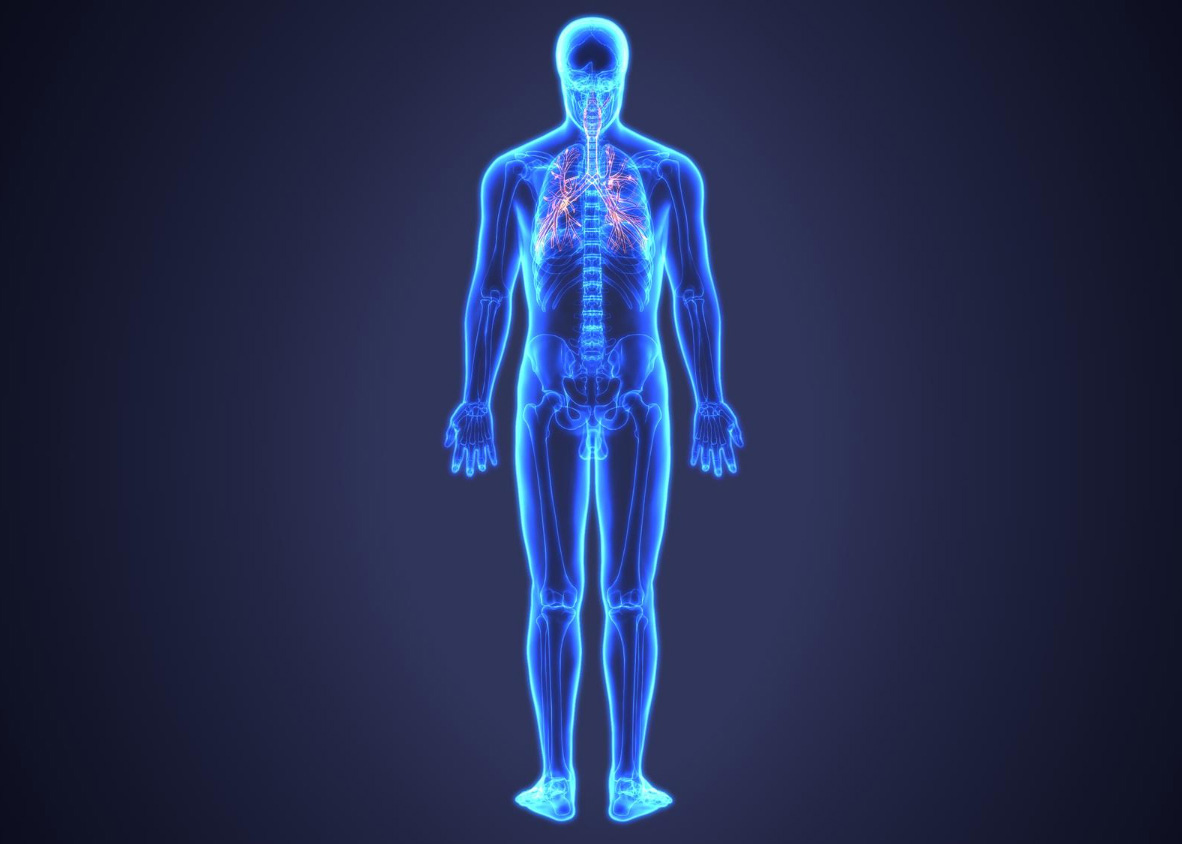
Think about someone you know well.
You recognise their face, of course. But if someone asked you to describe them, you’d probably talk about their personality. How they speak. What they believe in. Whether they’re reliable, generous, funny or the sort of person who always arrives twenty minutes late.
Their appearance is only part of what makes them who they are.
A business works much the same way. And that’s probably the easiest way to explain why your logo is part of your brand, but it isn’t your whole brand.
Your Logo Is Your Face
Your face helps people recognise you and distinguish you from everyone else. Over time, that familiar face becomes associated with particular experiences and feelings.
But a face alone doesn’t tell you whether someone will keep their word.
Your logo works in a similar way. It identifies your organisation, while people attach meaning to it through what they know about you and what it’s like to deal with you.
A well-designed logo gives people something distinctive to recognise. The business behind it gives them a reason to care.
Your Visual Identity Is How You Dress
Your business cards, company profile, website, uniforms and signage are your organisation’s wardrobe. They help communicate who you are before you’ve even started a conversation.
Imagine meeting someone in a well-fitted suit, then receiving a proposal from them that looks as though it was thrown together five minutes before the meeting. There’s a disconnect.
The same thing happens when a company’s website looks polished, its profile uses completely different colours, and every department has invented its own presentation template.
Individually, they might do the job. Together, they struggle to create a consistent impression.
The goal is to make everything feel like it belongs to the same organisation, with a recognisable style that suits who you are and the people you want to reach.
Your Tone of Voice Is How You Speak
Some people are warm and conversational. Others are formal, direct or technical. You get a feel for their personality through the words they choose and the way they speak.
For an organisation, that voice comes through in its website copy, social media replies, emails and advertising. It also comes through when someone answers the phone or a staff member speaks to a customer.
If your marketing sounds approachable but your customers feel brushed off when they call, they’re receiving two very different messages about who you are.
Your communication should feel consistent, whether someone is reading your company profile or talking to your team.
Your Values Are What You Believe In
Just like a person, your organisation has values and beliefs.
These might be written in a mission statement or a set of company values. But people get to know your values through your actions.
If you say you value local communities, how does that influence your decisions? If you promise responsive service, how quickly do you get back to people? If quality matters, what happens when something falls short?
Putting “integrity” on the wall is easy. Following through when it’s inconvenient tells people much more.
Your Behaviour Builds Your Reputation
Think about a supplier you’d confidently recommend to someone else.
You’re probably thinking about their people, their reliability and the quality of their work. Their logo helps you identify them, but your experience gives you a reason to trust them.
Every interaction contributes to that reputation. How you handle a complaint. Whether you meet a deadline. How your staff treat someone who isn’t yet a customer.
For a PNG organisation dealing with clients, employees, communities and business partners, each group experiences a different part of the business. Those interactions shape how the organisation is understood and what people say about it.
Your Brand Is the Whole Person
Put those elements together: appearance, voice, values and behaviour.
Your brand is the overall impression people form through what they see, hear and experience.
That’s why a new logo, on its own, can only achieve so much. It can help you look more professional or better reflect the organisation you’ve become. But it cannot fix unclear communication, inconsistent presentation or poor service.
A new haircut might get you noticed. It won’t make you more reliable.
What Does That Mean for Your Business?
Before deciding you need a new logo, ask a bigger question:
If our organisation were a person, how would people describe us?
Would that description match who you want to be? Do your appearance, voice, values and behaviour support the same impression?
Those answers give you a much better starting point for building a stronger brand.
We help organisations bring those elements together, from defining their identity and voice to creating the materials people see and use every day.
Want to understand what your brand is saying about your business? Talk to us about a brand audit.